
What Athletic Turf and Sports Flooring Have to Withstand
24 Jul 2026
How Testing Helps Evaluate Performance Under Use, Weather, Traffic, and Maintenance
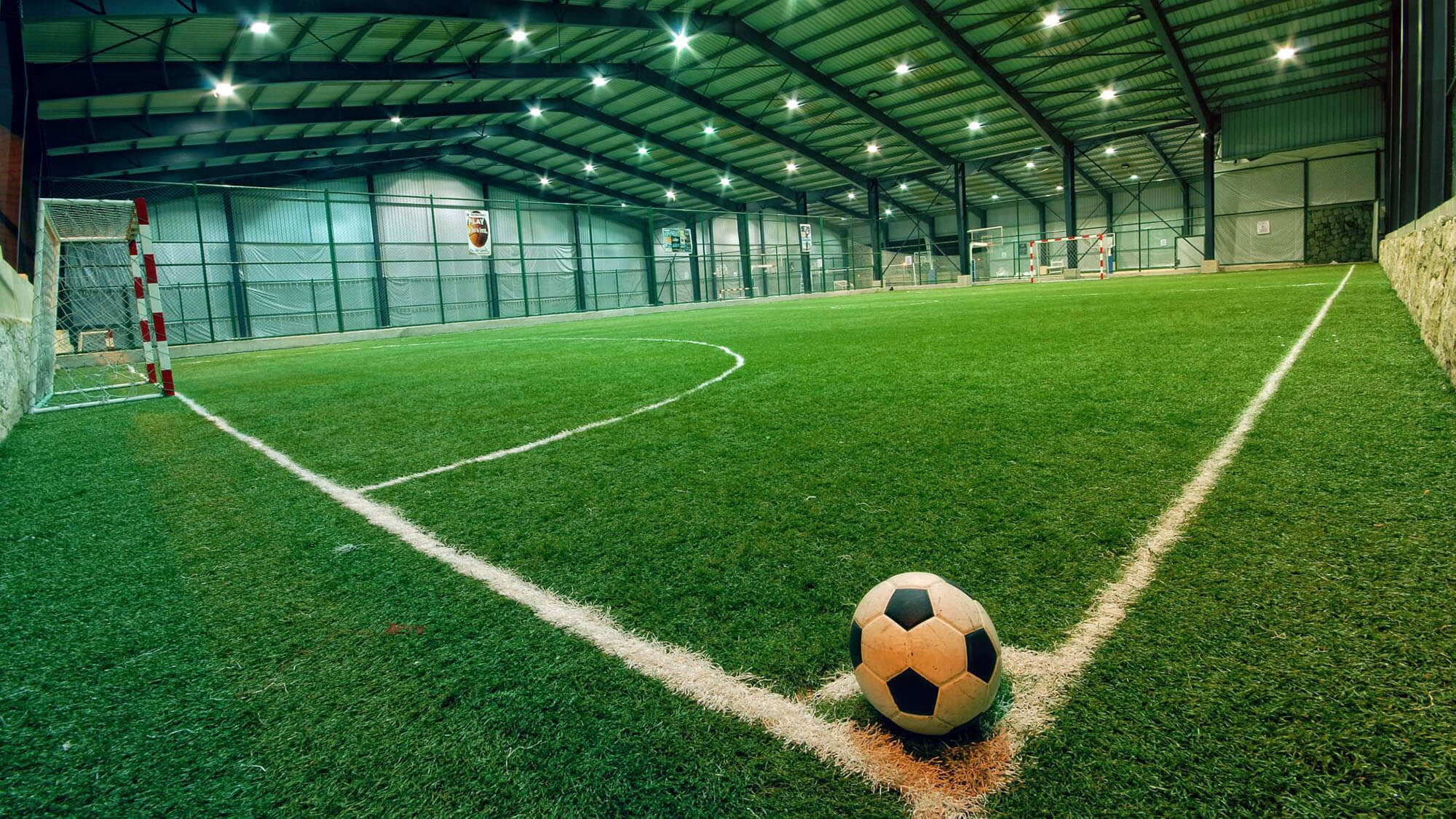
Athletic turf and flooring systems are expected to withstand repeated use, changing conditions, and various activities. Whether it is synthetic turf, a hardwood court, a gym floor, a playground surface, or a multipurpose athletic area, how it looks at installation is only one piece of the performance picture.
Ball response, traction, drainage, surface hardness, impact absorption, wear, and consistency all influence how a surface performs once traffic, weather, cleaning, and maintenance are factored in.
Surface Performance Is Getting More Attention
Major sporting events and year-round facility use have heightened the emphasis on field quality and consistency. The International Federation of Association Football (FIFA) Quality Programme for Football Turf sets performance expectations for artificial turf systems, providing an example of how playing surface requirements are evaluated and documented.
The issue extends well beyond soccer. Schools, universities, municipalities, arenas, fitness centers, playgrounds, training facilities, and commercial facilities all rely on athletic and recreational surfaces that must meet safety expectations and support drainage, traction, wear resistance, and consistent use.
Intertek tests these systems, including synthetic turf, sports wood floors, gymnasium surfaces, and playground materials. What gets tested depends on the surface, its intended use, how it was installed, and the applicable standards.
Appearance Is Not the Same as Performance
A surface can look ready yet still raise questions once it is in use.
Synthetic turf depends on fibers, backing, infill, cushions, substrates, drainage, and installation. A gymnasium floor depends on the system of materials installed, finish, subfloor, moisture conditions, and maintenance program. A playground surface has to account for impact response, surface hardness, drainage, and weathering.
A change in one part of the system can affect the outcome. Infill selection influences traction, ball response, and impact. Drainage affects post-rain playability. UV exposure affects material aging. Maintenance practices change surface feel, consistency, and wear.
Testing has to account for all of it, not just the material sitting on top.
Start With How the Surface Will Be Used
Athletic turf and flooring performance starts with use.
A professional soccer field, a school practice field, a municipal playground, a gymnasium, a fitness area, an indoor athletic floor, and a multiuse recreational surface each have different demands. The right testing path depends on the surface type, sport, installation method, exposure conditions, performance claims, and documentation requirements.
For some systems, the focus may be on wear, traction, ball response, or drainage. For others, it may be on impact response, surface hardness, shock absorption, water permeability, UV exposure, or system component compatibility.
A competitive soccer field and a school playground face very different demands. So do a hardwood court and a synthetic gym floor. A multipurpose surface has to balance durability, comfort, traction, and maintenance in ways a single-use surface does not.
Testing clarifies those differences before they become problems in the field.
Testing Supports the Full Product and Facility Lifecycle
Sports surface testing occurs at several points in a product's life, not just at launch.
For manufacturers and suppliers, it means evaluating new products, material changes, performance claims, and quality control, and preparing the documentation that customers request.
For owners, schools, municipalities, and facility teams, it means reviewing surface conditions, comparing options, and having reliable data when a complaint arises or a procurement decision is made.
For specifiers and project teams, it means matching the surface system to how it will be used, installed, and maintained.
After installation, testing can still help when a field is draining poorly, showing changes in surface hardness, or performing inconsistently. The issue may call for testing rather than just repair or replacement.
How Intertek Can Help
Intertek provides testing and certification for sports surfaces for manufacturers, suppliers, facility owners, schools, municipalities, specifiers, and project teams, covering everything from synthetic turf and sports wood systems to gymnasium and playground surfaces.
A surface can look right on installation day and still underperform in use. Testing helps show how it is actually performing.

You may be interested in...
Sports Surfaces Testing and Certification
Intertek provides sports surface testing and certification to evaluate performance, support safety documentation, and help meet compliance and certification requirements.