
Practical training solutions designed to build skills, strengthen compliance, and improve workforce performance.
From individual courses to enterprise learning programs, our comprehensive portfolio scales with your business as your training needs evolve.
Intertek Academy brings together Intertek’s complete portfolio of training solutions into one integrated learning hub, helping organizations build skilled, compliant, and high-performing workforces. Whether you're looking to close skills gaps, strengthen compliance, upskill employees, or modernize your learning strategy, we provide the training, technology, and expertise to support every stage of your workforce development.
From free introductory courses and accredited professional training to scalable digital learning platforms and performance-driven operational tools, Intertek Academy enables you to create, deliver, manage, and track training through a single trusted partner. Start with a single course or build a comprehensive training ecosystem tailored to your business needs.
This course equips hospitality staff with the skills to recognise and support vulnerable travellers through safe practices, inclusive policies, and effective guest interactions.
The objective of this training is to equip participants with the necessary skills for the proper maintenance of swimming pools in hotel environments, ensuring their safety, hygiene, and efficiency.
This course provides structured training on risk assessment, emergency response, legal compliance, and professional security operations within hotels and hospitality venues.
This training follows a structured approach, covering essential security aspects in the hospitality sector, including physical security, information security, emergency response, and personnel management.
This training is designed to provide a clear and comprehensive structure covering all critical aspects of infectious disease management in a hotel environment.
The objective of this training is to provide participants with essential knowledge on the prevention and control of Legionella, focusing on minor control operations necessary to reduce the risk of bacterial proliferation in high-risk facilities.
The Lone Traveler Security Awareness Course equips hospitality staff and tour operators with the knowledge, empathy, and practical tools needed to safeguard solo travelers, particularly female guests.
This training aims to provide participants with the knowledge and skills necessary to implement efficient and safe cleaning protocols in the hospitality sector.
The objective of this course is to provide participants with the necessary knowledge and skills to ensure food safety during service.
To provide participants with the necessary knowledge and skills to ensure food safety in the kitchen. This course will reinforce procedures at each stage of food preparation, ensuring proper handling and hygiene throughout the process.
The Security Awareness Course for Hotel Staff aims to equip all hotel employees, regardless of role or department, with the essential knowledge, skills, and confidence to identify, prevent, and respond to a wide range of physical, digital, and guest-related security threats.
Level 3 Food Safety course provide the advanced knowledge needed to effectively manage food safety in their establishments.
The objective of the Food Safety Level 2 course is to provide experienced kitchen professionals with a deeper understanding of food safety, focusing on advanced hygiene and food handling practices.
The objective of this course is to provide participants with essential knowledge on hygiene and safe food handling to prevent contamination risks and ensure food safety in the workplace.
The main objective of this training is to provide participants with the knowledge and skills necessary to ensure the safety of customers with food allergies and intolerances.
Participants review various expectations for verification and validation by FDA, USDA, and GFSI standards while exploring procedures for food safety plans, HACCP plans, and prerequisite programs.
The Statistical Process Control (SPC) Fundamentals Training Course provides the tools and methodologies needed to analyze data, detect variations, and ensure consistent quality and process stability. Designed for professionals in food manufacturing, this course combines practical techniques with real-world applications to help you achieve operational excellence.
This course bundle equips food safety professionals with the skills to manage two high-impact areas of risk: effective product specification programs and crisis-ready recall response. This training provides practical, actionable guidance for developing clear product requirements and ensuring rapid, compliant action when things go wrong.
Designed for food safety professionals working under the SQF Code, this official training developed by the SQF Technical Team helps learners recognize intentional adulteration risks, implement targeted mitigation strategies, and build a proactive culture of vigilance.
The SQF Risk Management exam assesses the knowledge of the food industry professional of risk and risk management in the food industry. The content of the examination addresses the best practices and procedures used to identify and mitigate the top areas of risk at a food site.
The SQF Quality Systems course is dedicated to helping you understand the various facets of quality as a concept, and what you can do to systematically improve it at your site. This course also helps you as you begin to document and implement the SQF Quality Code.
Developed as a means to assess the knowledge of the individual responsible for the implementation, maintenance or assessment of the SQF Quality System, the SQF Quality Systems Examination is an important measure of readiness for quality practitioners, trainers, consultants or anyone involved with an SQF Quality Program. The content of the examination addresses the SQF Quality Code (Part A, System Elements) and relevant quality topics.
These eight self-paced courses, built by SQF Code creators, offer practical tips based on audit data to help you continuously improve your SQF system and help sites understand fundamental food safety program topics, the SQF Code methodology, and requirements to achieve SQF certification.
The SQF Food Safety Scenarios Training: Risk Response Series is a comprehensive course bundle designed to advance learners’ ability to respond effectively to food safety risks in key operational areas. This six-course series integrates core SQF risk management principles with scenario-driven application modules, empowering participants to move beyond theory and make confident, risk-based decisions in the workplace.
Prepare your site for a smooth and confident transition to SQF Edition 10 with our comprehensive SQF Edition 10 Conversion Course and downloadable resources. The Edition 10 Conversion Course does more than just describe what the changes in the new Code are — it also explains why the changes were made and how you can implement them effectively.
The Implementing SQF Systems – Primary Production examination assesses the knowledge of the food industry professional of the SQF Food Safety Code. The primary production examination addresses topics relevant to those sites that grow or farm product such as SQF Food Sector Categories 1, 2, 3, 5 and 6.
The Implementing SQF Systems – Manufacturing examination assesses the knowledge of the food industry professional of the SQF Food Safety Code. The manufacturing examination addresses topics relevant to those sites that pre-process or process product including SQF Food Sector Categories 4, 7 to 22, 25, and 31 through 34.
The SQF Fundamentals Program is designed to help small to medium sites integrate robust food safety standards into existing practices, while creating a pathway to achieving globally accepted GFSI certification. The goal of the Implementing SQF Fundamentals, Intermediate Examination is to assess the knowledge of the individual responsible for the implementation, maintenance or assessment of the SQF Fundamentals System.
Professionals seeking registration as SQF quality certification auditors must complete the Auditing SQF Quality Systems examination as one of the requirements for registration.
Under the SQF Code professionals seeking registration as SQF food safety certification auditors must complete the Auditing SQF Food Safety Systems examination as part of their registration.
The Advanced SQF Practitioner examination is intended to assess the knowledge of the experienced SQF practitioner.
Sound risk management procedures are essential to assess and mitigate the risks associated with your management system. Discover key risk methodologies and ensure regulatory compliance today with the aid of Zosi’s workplace and food safety risk assessment training course.
You’ll gain more than just certification, the PCQI 2.0 training equips you with the practical knowledge to confidently apply FSMA regulations through real-world scenarios involving preventive controls, hazard analysis, documentation, and verification procedures.
The PCQI in Practice workshop is a 3-hour, instructor-led session designed for experienced Preventive Controls Qualified Individuals who want to deepen their confidence and sharpen their judgment when applying FSMA Preventive Controls in real operational environments.
This leadership program will show you how to delegate effectively, ensuring the right tasks are in the right hands while empowering your team to succeed. You’ll also discover strategies to keep yourself and others motivated, even in high-tension situations, while you foster a culture of cooperation, boost productivity, and create a positive work environment.
This leadership program will prepare you with essential training on handling (*defusing) workplace challenges, from managing conflict to conducting performance evaluations. You’ll also acquire the skills to provide fair and constructive feedback to help employees grow while maintaining a productive work environment.
This comprehensive leadership journey equips you with the essentials – from managing performance and building trust to mastering communication and motivating others.
Develop the mindset and skills to motivate teams, overcome challenges, and create a culture of respect and high performance. This leadership program will show you how to build trust, communicate effectively, and engage employees in a way that fosters collaboration and success. You’ll also gain the tools to navigate change, embrace diverse perspectives, and ensure accountability through strong follow-up and follow-through.
This leadership program will teach you the fundamentals of verbal and nonverbal communication, ensuring your message is clear and impactful. You’ll also master the art of active listening and discover how to provide and receive feedback in a way that fosters growth and collaboration.
Developed in partnership with OU Kosher and taught by a rabbi with decades of experience in the kosher industry, Managing Kosher Production demystifies kosher guidelines and provides an extensive overview of industry best practices.
Crafted with the help of OU Kosher and led by a rabbi with extensive manufacturing experience, our online curriculum focuses on facilities that produce kosher milk, cream, ice cream, sour cream, buttermilk, and other cultured dairy products.
Managing Kosher Beverage Production helps facilities understand and meet the stringent requirements behind kosher drink processes, ingredients, and equipment.
Managing Kosher Baking Production presents a streamlined overview of the particulars of kosher bakery programs, kosherization, and how to navigate special situations specific to the kosher bakery industry, such as Passover.
The Internal Auditor course is designed to give industry best practices to all members of an internal audit team allowing you to maximize the opportunities provided through your internal auditing program.
The Advanced Internal Auditor course is designed to give industry best practices and specific guidance unique to internal audit program managers.
The Basic HACCP course is designed to give you a full understanding of HACCP principles, empower you to identify the types of hazards that threaten food safety and develop and implement a HACCP plan for your company. The Advanced HACCP course is designed for the leader of food safety programs or someone who faces stringent regulatory oversight. Here, our industry experts will dive deep into matters like verification, validation, and auditing so you can lead your facility to food safety success and fine-tune programs in the future.
HACCP certification is a global food safety requirement for assessing, mitigating, and controlling food safety hazards across the spectrum of food production. Develop a better understanding of HACCP principles and learn industry best practices in Zosi’s online HACCP training.
This course is designed for anyone who needs a HACCP certification and works in a juice or beverage facility. Zosi Learning’s Basic HACCP – Juice and Beverage Certification course ensures your beverage production facility is prepared to undergo an audit by following federal food safety and HACCP policy requirements.
In this advanced course, you will develop a mastery of HACCP principles that will effectively sustain and continuously improve food safety practices in your operation.
Contaminated food products could cost your business millions in recalls, lawsuits, wasted products, and more. Foreign material control training helps your entire team understand how to prevent, detect, and respond to foreign material contamination.
The Food Safety Culture Course & Assessment is more than a course, it is a one-of-a-kind tool that will help you improve your food safety culture. This training is full of unique tools created from world-class experts in food safety culture including a best practice case study, a culture gauge to rate your current culture and an extensive inventory of resources to support you.
This self-paced eLearning course delves into the purpose of a food defense program, fundamental food defense concepts, and features an overview of FSMA requirements.
AIA-approved online courses that help architects and building professionals earn continuing education credits while expanding their knowledge of building performance, safety, and compliance.
Discover the tools, tips, and tricks needed to develop and implement your facility’s food defense program. Developed with the Food Protection and Defense Institute at the University of Minnesota, Food Defense Manager provides a comprehensive walkthrough of procedures and assessments easily integrated into your existing practice.
Understand the importance of your company’s food defense plan and your role in protecting the food supply with Food Defense in 15.
The purpose of this course is to review the requirements for the protection of product, identify how poor transportation practices can lead to adulterated product, and define jurisdictional authority over transported products.
This online course is built for those looking to deepen their knowledge, skills, and abilities related to hazards encountered by regulators and appropriate protective actions to mitigate hazards.
This online course will focus on the system of federal, state, and local laws that provide the authority to regulate feed and food, and associated policies and procedures.
The purpose of this course is to review the components of product tracing, the farm-to-fork concept and why it relates to product tracing, and the importance of stakeholder communication and coordination during product tracing.
The purpose of this course is to review the principles of sanitary design and practices, the importance of sanitary design and practices, the use of cleaners and sanitizers in specific situations, the use of cleaning and sanitizing to control adulterants, and regulatory agency policies.
This online course is focused on feed and food sample collection. The purpose of this course is to review sampling techniques, sampling procedures, and sampling protocols.
This online course is built for those looking to deepen their knowledge, skills, and abilities related to the process of removing a product from commerce.
This online course is focused on how regulatory agencies use public health principles to protect consumers from illness related to feed or food.
This online course is built for those looking to deepen their knowledge, skills, and abilities related to measures implemented by feed and food manufacturing facilities to ensure feed and food safety.
The purpose of this course is to review product-specific labeling requirements, product label requirements, types of labels, product label compliance, and product label components.
In this dynamic course, you will review the different types of investigations, investigation strategies and the purpose they serve, the roles within an investigation team, and control measures used to mitigate risk to the public.
This online course is built for basic level regulators looking to deepen their knowledge on the collaborative interrelationships of regulatory agencies that promote and protect public health in a global environment.
This online course is focused on ensuring regulatory compliance through inspection and enforcement activities. The purpose of the course is to review the responsibilities of a regulatory agency.
At the end of this course, you will be able to recognize import processes, differentiate between imported and domestic products, determine if products meet regulatory requirements, identify jurisdiction for imported products, and define import requirements with confidence.
The purpose of this course is to recognize the programs that use HACCP, the benefits of HACCP, the importance of having a HACCP team, and the application of HACCP.
In this interactive course, you will discover how to differentiate between different environmental hazards and methods to control environmental hazards.
The purpose of this course is to define the concept of biosecurity, learn common biosecurity hazards, and recognize the impact of biosecurity breaches.
In this dynamic course, you will review the foundations of biological hazards, sources of contamination, growth factors, and control methods.
This interactive course is built for those looking to deepen their knowledge, skills, and abilities related to food allergens, controls, and regulatory environments.
Environmental monitoring is an essential program for facilities, especially food manufacturing sites that handle Ready-To-Eat (RTE) and microbiologically sensitive foods.
This online root cause analysis (RCA) training teaches how to diagnose and fix the root cause of your issues, not just the symptoms.
This self-paced course builds on our Basic HACCP Certification Course and provides you with HACCP training tools to become a HACCP team leader.
Capacitación en sistemas integrados de gestión organizacional.
Formación en sistemas de gestión de inocuidad y seguridad alimentaria.
Prevención de fraude alimentario y amenazas intencionales en alimentos.
Implementación y auditoría del estándar BRCGS Food Safety versión 9
Desarrollo de competencias en auditoría de sistemas ISO 22000.
Formación de auditores internos en sistemas FSSC 22000.
Implementación de HACCP y programas prerrequisito en inocuidad alimentaria.
Capacitación para la industria alimentaria en calidad e inocuidad.
Plataforma global de formación técnica y desarrollo profesional Intertek.
Validación de inventarios de gases de efecto invernadero en organizaciones.
Gestión de transición energética hacia modelos sostenibles y bajos en carbono.
Desarrollo de programas para alcanzar la neutralidad en carbono.
Estrategias de mitigación y adaptación frente al cambio climático.
Forma auditores internos en sistemas de gestión de calidad ISO 9001.
Este curso permite entender los conceptos clave sobre gestión ambiental de acuerdo con la Norma ISO 45001 y aprender técnicas de planificación y ejecución de auditorías sobre dicho estándar.
Introducción a sistemas de gestión de energía bajo ISO 50001.
Introducción a mercados de carbono y finanzas verdes para sostenibilidad.
Cálculo de huella hídrica de procesos y productos bajo ISO 14046.
Introducción a la gestión del riesgo climático en organizaciones.
Aplicación de buenas prácticas de manufactura en procesos productivos.
Gestión del riesgo climático y fortalecimiento de resiliencia organizacional.
Especialización en estrategias de gestión de sostenibilidad y cambio climático.
Capacitación en sostenibilidad empresarial y responsabilidad social corporativa.
Programas de formación en sistemas de gestión y mejora de la calidad organizacional.
Formación en controles preventivos para alimentos de consumo humano bajo FSMA/PCQI.
Cálculo de huella de carbono en productos, organizaciones y proyectos.
Programas de formación para la industria de bienes de consumo.
Formación en auditoría de sistemas de calidad e inocuidad alimentaria.
Forma auditores internos en sistemas de gestión ambiental ISO 14001.
Aseguramiento de estrategias para alcanzar la neutralidad en carbono.
Evalúa proyectos de mitigación de emisiones con enfoque económico y financiero.
Gestión de no conformidades y acciones correctivas en sistemas de gestión.
Gestión de riesgos, accidentes mayores y seguridad de procesos industriales.
Forma auditores líderes en inocuidad alimentaria FSSC 22000.
Gestión de no conformidades y acciones correctivas en sistemas de gestión.
Capacitación especializada en inocuidad, calidad y normativas alimentarias.
Aplicación de buenas prácticas de manufactura en procesos productivos.
Forma auditores internos en sistemas de gestión de calidad ISO 9001.
Forma auditores internos en sistemas de gestión de seguridad y salud.
Forma auditores internos en sistemas de gestión ambiental ISO 14001.
Forma auditores internos en sistemas de gestión de calidad
Actualización en requisitos del estándar BRCGS Packaging versión 7.
Seminario sobre certificación FSC y cadena de custodia forestal.
Formación en gestión y mejora de sistemas de calidad.
Capacitación en sistemas de seguridad industrial e higiene laboral.
Formación en sistemas de seguridad de la información ISO 27001.
Interpretación de requisitos de la norma ISO 14001 ambiental.
Interpretación de normativa ambiental aplicable en México.
Aplica ISO 14044 para análisis de ciclo de vida de productos y procesos.
Desarrolla competencias en implementación de sistemas ISO 14001.
Formación en sistemas de gestión aplicados al sector automotriz.
Capacitación en calidad y regulación para industrias cosmética y farmacéutica.
Este curso permite comprender los criterios y requisitos de la metodología VDA 6.5 para la auditoría de producto, así como aplicar técnicas de evaluación que permitan verificar la conformidad de los productos con las especificaciones y requisitos establecidos.
Este curso permite conocer la metodología VDA 6.3 para la realización de auditorías de proceso, desarrollando las competencias necesarias para evaluar la madurez, eficacia y cumplimiento de los procesos a lo largo de la cadena de suministro automotriz.
Este curso permite comprender los requisitos y conceptos fundamentales de la Norma IATF 16949:2016, así como su aplicación en los sistemas de gestión de la calidad de la industria automotriz, facilitando la identificación de los requisitos específicos para el cumplimiento de las expectativas de clientes y partes interesadas.
Formación en sistemas de gestión para industria automotriz y transporte.
Este curso permite conocer los requisitos de la guía CQI-9 para la evaluación de sistemas de tratamientos térmicos, así como identificar los controles necesarios para asegurar la calidad, consistencia y cumplimiento de los procesos especiales en la industria automotriz.
Este curso permite comprender la metodología de Auditorías de Proceso por Capas (LPA) establecida en CQI-8, así como implementar auditorías sistemáticas que fortalezcan el cumplimiento de estándares operativos, la detección temprana de desviaciones y la mejora continua de los procesos.
Este curso permite comprender los requisitos de la guía CQI-27 para la evaluación de sistemas de fundición (Casting), así como implementar controles que aseguren la estabilidad, calidad y mejora continua de los procesos de manufactura.
Este curso permite comprender los requisitos de la guía CQI-17 para procesos de soldadura blanda (Soldering), así como evaluar y controlar los factores críticos que impactan la calidad y desempeño de los ensambles electrónicos.
Este curso permite conocer los requisitos de la guía CQI-15 para la evaluación de sistemas de soldadura, así como implementar controles y metodologías que aseguren la calidad, integridad y confiabilidad de los procesos de unión en la industria automotriz.
Este curso permite comprender los principios y requisitos de la gestión de garantías automotrices conforme a CQI-14, desarrollando habilidades para analizar reclamaciones, identificar causas raíz y establecer acciones de mejora que reduzcan fallas recurrentes.
Este curso permite conocer los requisitos de la guía CQI-12 para procesos de recubrimiento (Coating), así como identificar las mejores prácticas para la gestión, control y mejora de los procesos especiales relacionados con la aplicación de recubrimientos.
Este curso permite comprender los requisitos de la guía CQI-11 para procesos de recubrimiento electrolítico (Plating), así como evaluar y controlar las variables críticas que aseguran la calidad y confiabilidad de los productos terminados.
Este curso permite conocer los requisitos de la guía CQI-23 para la evaluación de sistemas de moldeo, así como identificar y controlar las variables críticas del proceso para garantizar la calidad y repetibilidad de los productos moldeados.
Este curso permite desarrollar las competencias necesarias para planificar, dirigir, ejecutar y dar seguimiento a auditorías de sistemas de gestión de la calidad basados en la Norma IATF 16949:2016, aplicando los principios y directrices de auditoría para evaluar la conformidad y eficacia de los procesos automotrices.
Este curso permite comprender los requisitos y conceptos fundamentales de la Norma AS9100 Rev. D, así como su aplicación dentro de los sistemas de gestión de la calidad para las industrias aeroespacial, de defensa y aviación, facilitando la identificación de los elementos necesarios para su implementación y cumplimiento.
Capacitación técnica para cumplimiento en sector aeroespacial.
Este curso permite conocer los principios y técnicas de auditoría interna basados en la Norma AS9100 Rev. D, desarrollando las competencias necesarias para planificar, ejecutar, documentar y dar seguimiento a auditorías internas de sistemas de gestión de la calidad en organizaciones del sector aeroespacial, de defensa y aviación.
Este curso permite conocer los principios de sostenibilidad climática y los efectos de los gases de efecto invernadero en organizaciones, proyectos y productos, desarrollando las competencias necesarias para evaluar impactos ambientales, implementar medidas de mitigación y fortalecer la gestión climática conforme a estándares y buenas prácticas internacionales.
Este curso permite comprender los principios, requisitos y criterios establecidos en las Normas de Información Financiera de Sostenibilidad (NIS), así como aplicar lineamientos para la identificación, medición, divulgación y reporte de información relacionada con aspectos ambientales, sociales y de gobernanza (ASG), fortaleciendo la transparencia y la toma de decisiones organizacionales.
Este curso permite comprender los conceptos fundamentales relacionados con la huella de carbono, así como identificar, cuantificar y gestionar las emisiones de gases de efecto invernadero generadas por las actividades de una organización, producto o servicio, contribuyendo al desarrollo de estrategias de reducción y sostenibilidad.
Formación en sostenibilidad empresarial y responsabilidad social corporativa.
Desarrolla competencias en seguridad y salud ocupacional en el trabajo.
Capacitación en inteligencia artificial aplicada a seguridad de la información.
Formación en implementación y auditoría de sistemas integrados de gestión.
Acceso a seminarios virtuales de actualización técnica Intertek.
Capacitación en verificación de seguridad global en cadenas de suministro.
Actualiza conocimientos para la transición a la norma IATF 16949 automotriz.
Sensibilización sobre derechos humanos, trata y trabajo forzado en cadenas de suministro
Desarrolla competencias en auditoría virtual de sistemas de gestión integrados.
Mejora la gestión de acciones correctivas en sistemas de gestión organizacionales.
Actualización de cambios en la norma ISO 9001.
Actualización de cambios en la norma ISO 14001.
Gestión de crisis y retiro de productos del mercado.
Requerimientos para sistemas de gestión de energía.
Gestión e implementación de sistemas de energía ISO 50001.
Requisitos adicionales del sistema ISO 22000.
Interpretación e integración de sistemas de gestión ISO.
Interpretación e implementación ISO 27001:2022.
Formación en auditoría del esquema FSSC 22000.
Interpretación de la norma ISO 9001.
Interpretación de responsabilidad social ISO 26000.
Interpretación del esquema FSSC 22000.
Implementación y documentación de sistemas ISO 9001.
Interpretación de la norma ISO 45001 seguridad y salud.
Implementación de sistemas de seguridad de la información ISO 27001.
Implementación de sistemas de gestión ambiental ISO 14001.
Interpretación e implementación AS9100D aeroespacial.
Análisis comparativo de estándares FSA e IFS Food.
Gestión de riesgos en sistemas de calidad ISO 9001.
Gestión de evaluación de proveedores y calidad SQP.
Evaluación de condiciones laborales bajo estándares WCA.
Interpretación de información nutricional en alimentos.
Cumplimiento de etiquetado nutrimental FDA y California.
Aplicación de la norma NOM-051 en etiquetado nutrimental.
Interpretación de normativas de etiquetado alimentario.
Introducción a sistemas de gestión de energía ISO.
Transición energética hacia la neutralidad en carbono.
Mitigación y adaptación al cambio climático.
Introducción a la gestión del riesgo climático.
Especialización en estrategias de sostenibilidad climática.
Formación en requisitos de empaques para México y Estados Unidos.
Desarrolla enfoque sistémico para la sostenibilidad organizacional.
Formación en requisitos legales ambientales aplicables.
Actualización normativa sobre cambio climático en sistemas de gestión.
Desarrollo de competencias en sostenibilidad y cambio climático.
Este curso permite comprender los requisitos y conceptos fundamentales de la Norma ISO/IEC 17025:2017, así como su aplicación en laboratorios de ensayo y calibración, facilitando la identificación de los requisitos técnicos y de gestión necesarios para demostrar competencia, imparcialidad y operación consistente.
Formación en sistemas de gestión para laboratorios.
Este curso permite desarrollar las competencias necesarias para planificar, ejecutar, documentar y dar seguimiento a auditorías internas conforme a la Norma ISO/IEC 17025:2017, evaluando el cumplimiento de los requisitos de gestión y técnicos que aseguran la competencia y confiabilidad de los resultados de los laboratorios.
Gestión de calidad en la industria de dispositivos médicos.
Este curso permite comprender los principios, directrices y conceptos fundamentales establecidos en la Norma ISO 19011:2018 para la auditoría de sistemas de gestión, facilitando la aplicación de metodologías efectivas para la planificación, ejecución y seguimiento de auditorías.
Formación en principios y directrices de auditoría ISO.
Este curso permite desarrollar las competencias necesarias para planificar, ejecutar, documentar y dar seguimiento a auditorías internas de sistemas de gestión conforme a los lineamientos de la Norma ISO 19011:2018, contribuyendo a la mejora continua y evaluación de la conformidad organizacional.
Este curso permite conocer los riesgos asociados al manejo y uso de materiales peligrosos conforme a los principios de la Norma ISO 45001:2018, así como aplicar controles y medidas preventivas que contribuyan a la seguridad y salud de los trabajadores.
Este curso permite comprender las causas, síntomas y consecuencias del síndrome de burnout, así como identificar estrategias de prevención y gestión que contribuyan al bienestar laboral, la salud mental y el desempeño de los colaboradores.
Este curso permite proporcionar a la alta dirección una visión estratégica sobre la importancia de los sistemas de gestión, el cumplimiento normativo y la mejora continua, fortaleciendo su liderazgo y compromiso con el desempeño organizacional.
Este curso permite comprender los riesgos derivados de trabajos e instalaciones eléctricas conforme a los lineamientos de la Norma ISO 45001:2018, desarrollando competencias para identificar peligros, implementar controles y prevenir accidentes relacionados con la energía eléctrica.
Este curso permite fortalecer las habilidades de liderazgo necesarias para dirigir equipos de trabajo de manera efectiva, promoviendo la comunicación, la toma de decisiones, la motivación y el desarrollo de estrategias que contribuyan al logro de los objetivos organizacionales.
Fortalece procesos de desarrollo y gestión organizacional.
Este curso permite comprender la metodología de Análisis de Impacto al Negocio (BIA), identificando procesos críticos, evaluando riesgos e impactos potenciales y estableciendo prioridades para fortalecer la continuidad y resiliencia organizacional.
Este curso permite conocer los principios y metodologías para el desarrollo e implementación de un Plan de Continuidad del Negocio (BCP), asegurando la capacidad de la organización para mantener o restablecer sus operaciones críticas ante situaciones de crisis o interrupciones.
Este curso permite comprender los requisitos y conceptos fundamentales de la Norma ISO 22301:2019, así como su aplicación en la implementación y gestión de sistemas de continuidad del negocio que permitan responder eficazmente ante interrupciones y fortalecer la resiliencia organizacional.
Este curso permite conocer los principios y técnicas de auditoría aplicables a sistemas de gestión de continuidad del negocio basados en la Norma ISO 22301:2019, desarrollando las competencias necesarias para evaluar su conformidad, eficacia y capacidad de respuesta ante incidentes.
Revisión de requisitos de etiquetado según FDA.
Gestión de calidad aplicada a la industria cosmética.
Interpretación de lineamientos de responsabilidad social ISO 26000.
Fortalece cultura organizacional de calidad e inocuidad.
Aplicación de herramientas estadísticas para control de procesos.
Auditoría de responsabilidad social basada en ISO 19011.
Formación en APQP, PPAP, SPC, FMEA y MSA.
Auditor de Cumplimiento Social Certificado por CPI (Compliance Practitioners Initiative CPI)(México)
Evalúa cumplimiento social bajo estándares CPI.
Certificación en auditoría de responsabilidad social CPI.
Desarrolla competencias en sostenibilidad y responsabilidad social.
Aplicación de buenas prácticas de manufactura en procesos productivos.
Capacitación en bioseguridad y salud en el trabajo.
Certificación internacional en auditoría de sistemas de calidad.
Forma auditores líderes en sistemas de gestión ambiental.
Forma auditores líderes en inocuidad alimentaria FSSC 22000.
Auditoría de sistemas integrados de gestión empresarial.
Desarrolla competencias en auditoría de sistemas de calidad ISO 9001.
Forma auditores en sistemas de gestión de energía ISO 50001.
Auditoría de sistemas de seguridad de la información ISO 27001.
Desarrolla competencias en auditoría ambiental ISO 14001.
Forma auditores internos en la norma automotriz IATF 16949.
Auditoría de sistemas integrados de gestión empresarial.
Auditoría de sistemas de gestión para industria aeroespacial AS9100D.
Forma auditores internos en responsabilidad social corporativa.
Este curso permite comprender los requisitos y conceptos clave de la Norma ISO 37001:2016, así como su aplicación en la implementación de sistemas de gestión antisoborno orientados a prevenir, detectar y gestionar riesgos relacionados con prácticas de soborno dentro de las organizaciones.
Formación en sistemas de gestión antisoborno y cumplimiento ético.
Este curso permite desarrollar las competencias necesarias para planificar, ejecutar, documentar y dar seguimiento a auditorías internas de sistemas de gestión antisoborno conforme a la Norma ISO 37001:2016, verificando la eficacia de los controles y el cumplimiento de los requisitos establecidos.
Desarrolla control de no conformidades y mejora continua organizacional.
Gestión de acciones correctivas en sistemas de gestión.
Plataforma global de formación técnica y desarrollo profesional Intertek.
Migración e implementación de sistemas de gestión ISO 45001.
Formación en diseño, implementación y mejora de sistemas de gestión de calidad.
Capacitación en seguridad industrial, higiene y prevención de riesgos.
Desarrolla competencias en seguridad de la información ISO 27001.
Formación en implementación de sistemas de gestión ambiental.
Interpreta la norma ISO 9001 para sistemas de gestión de calidad.
Interpreta requisitos de la norma ISO 14001 de gestión ambiental.
Evalúa condiciones laborales bajo estándares internacionales WCA.
Desarrolla competencias en evaluación de proveedores y sistemas de calidad SQP.
Capacitación en verificación de seguridad global en cadenas de suministro.
Forma auditores internos en sistemas de responsabilidad social corporativa.
Interpreta lineamientos de responsabilidad social ISO 26000.
Desarrolla competencias para implementar sistemas de gestión ambiental ISO 14001.
Identifica y gestiona riesgos en sistemas de gestión de calidad ISO 9001.
Desarrolla capacidades para gestión de crisis y retiro de productos alimentarios.
Forma auditores líderes certificados en sistemas de gestión ISO 9001.
Desarrolla competencias para auditorías internas en sistemas de calidad ISO 9001.
Forma auditores internos en sistemas de gestión ambiental ISO 14001.
Desarrolla habilidades para identificar y prevenir riesgos de fraude alimentario.
Actualiza competencias para la migración a la norma ISO 45001 de SST.
Capacitación especializada en inocuidad, calidad y normativas alimentarias.
Formación en implementación y auditoría de sistemas integrados de gestión.
Desarrolla competencias en sistemas de gestión de calidad y mejora organizacional.
Programas de formación técnica en múltiples áreas industriales y de gestión.
Interpreta requisitos del esquema FSSC 22000.
Implementa sistemas de seguridad y salud en el trabajo.
Cumplimiento del Food Safety Modernization Act FSMA.
Forma auditores líderes en inocuidad alimentaria FSSC 22000.
Aplicación de buenas prácticas de manufactura.
Gestión de acciones correctivas en sistemas de gestión.
Forma auditores internos en sistemas de calidad ISO 9001.
Auditoría integrada ISO 9001, 14001 e ISO 45001.
Auditoría de sistemas de inocuidad alimentaria FSSC 22000.
Forma auditores líderes en sistemas ambientales ISO 14001.
Interpreta y aplica requisitos FSSC 22000.
Forma auditores internos en FSSC 22000.
Verificación de seguridad global en cadenas de suministro.
Aplica seguridad basada en el comportamiento organizacional.
Interpreta lineamientos de responsabilidad social ISO 26000.
Evalúa condiciones laborales bajo estándares WCA.
Certificación en auditoría de cumplimiento social CPI.
Desarrolla competencias en RSC y sostenibilidad empresarial.
Forma auditores internos en responsabilidad social corporativa.
Desarrollo de habilidades blandas organizacionales.
Capacitación integral en salud, seguridad y medio ambiente.
Formación especializada para sector agroalimentario.
Programas abiertos de capacitación técnica Intertek.
Mejora la elaboración de hallazgos en auditorías.
Gestiona sistemas de seguridad de la información ISO 27001.
Metodología Intertek para análisis y prevención de riesgos.
Forma auditores internos en sistemas de gestión de calidad.
Calcula y gestiona emisiones de gases de efecto invernadero.
Gestiona riesgos en sistemas de inocuidad alimentaria.
Define e implementa planes estratégicos de seguridad vial.
Desarrolla competencias en gestión ambiental empresarial.
Prevención de fraude y amenazas intencionales en la cadena alimentaria.
Aplica principios generales de higiene alimentaria HACCP.
Formación en requisitos del esquema FSSC 22000.
Implementa buenas prácticas de manufactura en procesos productivos.
Desarrolla planes estratégicos de seguridad vial organizacional.
Aplica principios HACCP en empaques y envases alimentarios.
Forma auditores internos en sistemas de gestión de energía.
Desarrolla planes de retiro de producto y gestión de crisis alimentaria.
Implementa controles preventivos en inocuidad de alimentos.
Forma individuos calificados en controles preventivos FSMA/PCQI.
Desarrolla control y gestión de alérgenos en la industria alimentaria.
Compara sistemas HACCP y HARPC en inocuidad alimentaria.
Fortalece liderazgo para construir cultura de seguridad organizacional.
Desarrolla habilidades de liderazgo en seguridad industrial.
Capacitación general para la industria de alimentos y sus procesos.
Actualiza requisitos del estándar BRCGS Food Safety versión 9.
Aplica metodologías de seguridad basada en el comportamiento organizacional.
Gestiona auditorías en sistemas de seguridad de la información ISO 27001.
Desarrolla auditoría de sistemas integrados de gestión empresarial.
Auditoría de sistemas integrados ISO 9001, 14001 e ISO 45001.
Integra BPM, HACCP y sistemas de inocuidad alimentaria.
Forma auditores líderes en estándares BRC versión 7.
Desarrolla competencias en auditoría de laboratorios bajo ISO/IEC 17025.
Actualiza competencias en requisitos de la norma ISO 9001:2015.
Forma auditores internos en sistemas de gestión de seguridad y salud laboral.
Actualiza conocimientos en requisitos del esquema FSSC 22000.
Programas de capacitación diseñados para necesidades corporativas específicas.
Fortalece sistemas de gestión de calidad aplicados al entorno empresarial.
Plataforma de formación técnica para desarrollo profesional en múltiples industrias.
Gestiona acciones correctivas en sistemas de calidad e inocuidad alimentaria.
Integra criterios ambientales, sociales y sostenibles en procesos de compras.
Especialización en estrategias de sostenibilidad y gestión del cambio climático.
Introduce fundamentos de sistemas de gestión de energía en organizaciones.
Aborda transición energética, sostenibilidad y neutralidad en carbono.
Desarrolla estrategias de mitigación y adaptación frente al cambio climático.
Introduce conceptos clave de identificación y gestión del riesgo climático.
Desarrolla habilidades para diseñar e implementar sistemas de gestión de energía.
Permite calcular huella hídrica bajo Water Footprint Network e ISO 14046.
Desarrolla competencias en gestión ambiental y sostenibilidad aplicada a organizaciones.
Desarrolla competencias en sostenibilidad, ética y responsabilidad social corporativa.
Fortalece conocimientos para la gestión segura de residuos peligrosos industriales.
Desarrolla competencias para identificar y controlar riesgos por alérgenos alimentarios.
Forma auditores internos en sistemas de gestión de calidad ISO 9001.
Desarrolla habilidades para medir, gestionar y compensar emisiones de gases efecto invernadero.
Forma en principios HACCP para garantizar inocuidad en la cadena alimentaria.
Desarrolla competencias en interpretación y cumplimiento de normativas de etiquetado.
Permite identificar necesidades formativas con enfoque en retorno de inversión.
Programas de formación avanzada para desarrollo profesional especializado.
Permite calcular y gestionar impactos ambientales de carbono e hídrico organizacional.
Fortalece habilidades técnicas en análisis, control y gestión de laboratorios.
Desarrolla competencias en sistemas de gestión antisoborno y cumplimiento ético.
Permite implementar sistemas de gestión eficiente del uso del agua en organizaciones.
Mejora la redacción de hallazgos de auditoría con enfoque técnico y estructurado.
Desarrolla competencias en estándares internacionales IFS para la industria alimentaria.
Fortalece la aplicación de buenas prácticas de manufactura bajo enfoque HACCP.
Desarrolla habilidades para liderar auditorías en responsabilidad social corporativa.
Permite auditar sistemas integrados de calidad, ambiente y seguridad y salud.
Desarrolla competencias para auditorías en BPM, HACCP y sistemas de gestión.
Forma auditores internos para sistemas de inocuidad alimentaria bajo FSSC 22000.
Desarrolla técnicas de validación de métodos analíticos en laboratorios acreditados
Formación orientada a sistemas de gestión de calidad y mejora continua organizacional.
Desarrolla habilidades para interpretar y aplicar la norma ISO 17025 en laboratorios.
Fortalece competencias en inocuidad, calidad y control en la industria de alimentos.
Permite validar métodos químicos conforme al reglamento 808 de la Comunidad Europea.
Desarrolla habilidades para identificar y mitigar riesgos de fraude y defensa alimentaria
Permite gestionar no conformidades, riesgos y acciones correctivas en laboratorios de ensayo.
Programa enfocado en inocuidad, calidad y normativas aplicadas a la industria alimentaria.
Programa enfocado en inocuidad, calidad y normativas aplicadas a la industria alimentaria.
Plataforma de formación Intertek que desarrolla competencias técnicas en múltiples industrias.
This comprehensive training course is designed to equip participants with a deep understanding of the ISO 9001 standard and its application within the audit process.
This CAPA & RCA training program equips you with proven problem-solving methodologies to identify root causes, implement effective solutions, and prevent recurring issues in your food safety program.
Uncover the steps to build successful corrective and preventive action plans through expert advice and CAPA plan examples. Address deviations and deficiencies in your food safety and quality systems. Learn how to fix immediate problems and prevent them from recurring.
The Better Process Control School – Retort Foods Training & Certification course teaches the principles and practical application of the FDA guidelines relating to retort processing. In this course you will learn the scientific basis of thermal processing, strategies for pathogen control, sanitation best practices and more.
Leveraging best practices from food processing and training experts, this course will help you understand and meet the FDA & USDA training requirements for retorts, low-acid or acidified foods, and aseptic processing systems without any expensive and time-consuming travel!
The Better Process Control School – Aseptic Foods Training & Certification course gives learners insights and education in the principles and practical application of the guidelines determined by the FDA. In this course you will learn the scientific basis of thermal processing, strategies for pathogen control, sanitation best practices and more.
The Better Process Control School – Acidified Foods Training & Certification course gives learners insights and education in the principles and practical application of the guidelines determined by the FDA. In this course you will learn the scientific basis of thermal processing, strategies for pathogen control, mild thermal processes and more.
This online course serves as an onboarding lesson to introduce the fundamental knowledge skills, areas of responsibility, and behaviors to complement any baking facility’s current operations and procedures.
Setting Emissions Reduction Targets and Planning Long-Term Climate Action
Analyzing Value Chain Emissions and Strengthening Scope 3 Data Credibility
Identifying Emissions Sources and Building a Robust Scope 1 and 2 Inventory
Foundations of Greenhouse Gas Accounting and Emissions Data Analysis
Supply Chain Due Diligence and Alignment with OECD Responsible Business Conduct Principles
Due Diligence and the OECD Guidelines for Responsible Business Conduct
Responsible Artificial Intelligence (AI), Understanding, Applying, and Managing Emerging Technologies
Understanding Double Materiality and the EU Corporate Sustainability Reporting Directive (CSRD)
Implementing Life Cycle Assessment (LCA) - From Regulation to Real-World Application
Life Cycle Assessment (LCA) and How It Can Drive Sustainable Business Decisions
The Circular Economy and How It Can Strengthen Your Business Resilience
Explore circular economy principles and how they can transform your business model.
Turn biodiversity knowledge into meaningful action for your business and the environment.
Discover the importance of biodiversity and how it influences your business and the planet.
The European Union's Carbon Border Adjustment Mechanism (CBAM) and how it may affect your business.
Move from climate pledges to measurable action with proven Net Zero strategies.
Start your organisation’s journey toward Net Zero with a strong foundation in decarbonisation.
Build the knowledge and practical skills to confidently lead your organization through the SQF edition 10 transition using interactive exercises, real-world scenarios, and hands-on application.
This course is intended for quality, technical and managerial staff working in food manufacturing who seeks to understand and differentiate between food safety management and quality management, and who are intending to implement the SQF Quality Code.
Gain the qualifications and skills you need in order to audit your company’s SQF system effectively and with confidence.
Gain a foundational understanding of ISO 31000:2018 and learn how to apply risk management principles, frameworks, and processes to strengthen organizational decision-making and resilience.
The course aims to provide participants with an understanding of the fundamentals of Six Sigma so that they can contribute to Green Belt projects and know how to apply basis tools within a DMAIC or Problem Solving process on a routine basis.
Develop the knowledge and practical skills to lead management system audits in accordance with ISO 19011 while meeting Exemplar Global (TPECS) lead auditor training requirements.
Develop the knowledge and practical skills to audit ISO/IEC 27001:2022 information security management systems using proven auditing techniques and best practices.
This intensive 4-day course equips you with the knowledge and skills to lead audits of Artificial Intelligence Management Systems (AIMS) based on the latest ISO 42001:2023 standard.
The ISO/IEC42001:2023 Foundation course is designed to provide a clear and practical introduction to Artifical intelligence management systems and the ISO/IEC42001 standard and its Annexes.
Gain a foundational understanding of ISO 27701:2019 and learn how to implement and improve a privacy information management system to protect personal data and support regulatory compliance.
Gain a foundational understanding of ISO/IEC 27001:2022 and learn how to develop, implement, maintain, and continually improve an information security management system.
This comprehensive training course is designed to equip participants with a deep understanding of the ISO 9001 standard and its application within the audit process.
Our ISO 9001:2015 QMS Internal Auditor Training Course offers a comprehensive introduction to the ISO 9001 standard, focusing on its requirements and their application within the context of an internal audit.
The ISO 9001:2015 Foundation course is designed to provide a clear and practical introduction to quality management systems and the ISO 9001 standard.
Develop the skills to conduct internal ISO 45001 occupational health and safety management system audits in accordance with ISO 19011 and improve audit readiness and compliance.
Develop the knowledge and practical skills to lead first-, second-, and third-party ISO 45001 audits in accordance with ISO 19011 to improve occupational health and safety management system performance.
Develop the skills to conduct effective internal occupational health and safety management system audits in accordance with ISO 19011 while gaining an overview of ISO 45001 requirements for audit readiness and compliance.
Gain a foundational understanding of ISO 45001:2018 and learn how to develop and improve an effective occupational health and safety management system.
This course will provide you with an overview of the key revisions to ISO/FDIS 14001:2026 Final Draft International Standard
Prepare your team for a confident and successful transition to ISO 14001:2026 with this interactive, 8-hour instructor-led workshop.
Receive concentrated and comprehensive training in the theory and practice of auditing an Environment Management System based on ISO 14001:2026.
Develop the skills to conduct effective internal environmental management system audits in accordance with ISO 19011 while gaining an overview of ISO 14001 requirements for audit readiness and compliance.
Gain a foundational understanding of ISO 14001:2026, environmental management principles, and how to implement an effective environmental management system that improves environmental performance.
Develop the knowledge and practical skills to lead ISO 13485:2016 medical device quality management system audits in accordance with ISO 19011 while meeting Exemplar Global (TPECS) lead auditor training requirements.
This 3 day course is designed to provide participants with the knowledge and skills required to perform an internal audit of a quality management system based on ISO 13485.
Learn how to plan, conduct, report, and manage effective internal audits to improve management system performance and drive continual improvement.
Learn the SQF Storage & Distribution Code, certification process, and implementation strategies to build a compliant food safety system and strengthen your organization's food safety culture.
Learn the fundamentals of SQF, including certification requirements, system elements, and Good Manufacturing Practices (GMPs), to prepare your organization for successful certification.
Learn the SQF Food Packaging Code, certification process, and implementation strategies to build a compliant food safety system and strengthen your organization's food safety culture.
This practical course is essential for any organization implementing an auditable ISO 45001:2018 management system.
Learn key elements to support the implementation of an information security management system aligned with the ISO/IEC 27001:2022 standard.
By attending this course, attendees gain a thorough understanding of the critical business issues related to implementing an ISO 14001 Environmental Management System (EMS).
This five (5) day course immerses the participant in all aspects of conducting third-party audits of automotive quality management systems.
This three (3) day course will benefit experienced auditors looking to upgrade their audit skills and become familiar with the requirements of both ISO 9001:2015 and IATF 16949:2016.
This 2 day training was developed with funding from FDA as a part of FSPCA, is designed to provide you with the information needed when you are involved in importing either food ingredients, and/or food contact packaging and/or retail food products as to their food safety.
Gain the knowledge and FDA-recognized training needed to develop FSMA-compliant food safety plans through the official FSPCA Preventive Controls for Human Foods course.
This in-depth course enables attendees to gain a practical understanding of Hazard Analysis Critical Control Points (HACCP), and learn how to develop and implement a HACCP system to meet customer and regulatory requirements.
This practical, hands-on 1-day course teaches participants how to use a simple, effective 7-step approach to correcting and preventing problems or nonconformities that exist anywhere in their organizations.
This course is designed for people who need to conduct external audits of medical devices quality management systems or lead audits on behalf of their organization.
Develop the knowledge and practical skills to lead management system audits in accordance with ISO 19011 while meeting Exemplar Global (TPECS) lead auditor training requirements.
By attending the BRCGS Internal Auditor Course, attendees will obtain the knowledge and the skills necessary to effectively perform a BRCGS Internal Audit within their organization.
This in-depth course will provide an understanding of the Standard in terms of the protocol, requirements and how to audit effectively.
The BRCGS Food / Issue 9 Auditor Training course has been designed to give you a full understanding of the general principles of the requirements of the Standard, including fundamental clauses and statements of intent, and how to undertake a BRC Global Standards audit, including planning and reporting of the audit.
The BRCGS Food Issue 9 Sites Training course has been designed to give you a full understanding of the general principles of the Standard, and how to comply with the requirements.
This one-day training course has been designed to enable delegates to gain a full understanding of the changes between issue 8 and 9 relating to the general principles of the Standard, and how to comply with the requirements.
The purpose of this course is to provide an in-depth review of the requirements of the ISO 45001:2018 Standard and how they are applied in the context of an audit.
This two day advanced course develops the skills needed to perform effective internal/external audits against the ISO/IEC 27001:2022 Information Security Management Systems standard.
Combine your OHS, quality and environmental management systems into a single integrated management system to increase your efficiency and profitability while reducing your operating costs.
This 2-day course provides attendees with a thorough insight into Environmental Management System requirements based on the ISO 14001 Standard.
This 2-day course provides attendees with a thorough insight into Quality Management System requirements based on the ISO 9001 Standard.
This 2-day course provides attendees with a thorough insight into Medical Devices Management Systems requirements based on the ISO 13485 Standard.
This 8-hour (1-day) course is designed to meet the full requirements of AS9104/3 section A.4. It is a highly participative course which provides detailed discussion on a variety of aerospace maintenance/repair/overhaul (MRO) topics.
This 5-day intensive hands-on course is intended for auditors who want to develop their skills towards becoming an AS9110 Aerospace Experience Auditor.
This 3-day hands-on course is intended for individuals who want to develop their skills to support their organization’s Maintenance QMS systems through internal audits.
This 5-day intensive hands-on course is intended for auditors who want to develop their skills towards becoming an AS9100 Aerospace Experience Auditor.
This 3-day hands-on course is intended for individuals who want to develop their skills to support their organization’s AS9100 systems through internal audits.
This 26-hour (3-day) course is a highly participative course that provides detailed discussion on a wide variety of Aviation, Space and Defense (ASD) topics as defined by the International Aerospace Quality Group (IAQG).
This course equips hospitality staff with the skills to recognise and support vulnerable travellers through safe practices, inclusive policies, and effective guest interactions.
The objective of this training is to equip participants with the necessary skills for the proper maintenance of swimming pools in hotel environments, ensuring their safety, hygiene, and efficiency.
This course provides structured training on risk assessment, emergency response, legal compliance, and professional security operations within hotels and hospitality venues.
This training follows a structured approach, covering essential security aspects in the hospitality sector, including physical security, information security, emergency response, and personnel management.
This training is designed to provide a clear and comprehensive structure covering all critical aspects of infectious disease management in a hotel environment.
The objective of this training is to provide participants with essential knowledge on the prevention and control of Legionella, focusing on minor control operations necessary to reduce the risk of bacterial proliferation in high-risk facilities.
The Lone Traveler Security Awareness Course equips hospitality staff and tour operators with the knowledge, empathy, and practical tools needed to safeguard solo travelers, particularly female guests.
This training aims to provide participants with the knowledge and skills necessary to implement efficient and safe cleaning protocols in the hospitality sector.
The objective of this course is to provide participants with the necessary knowledge and skills to ensure food safety during service.
To provide participants with the necessary knowledge and skills to ensure food safety in the kitchen. This course will reinforce procedures at each stage of food preparation, ensuring proper handling and hygiene throughout the process.
The Security Awareness Course for Hotel Staff aims to equip all hotel employees, regardless of role or department, with the essential knowledge, skills, and confidence to identify, prevent, and respond to a wide range of physical, digital, and guest-related security threats.
Level 3 Food Safety course provide the advanced knowledge needed to effectively manage food safety in their establishments.
The objective of the Food Safety Level 2 course is to provide experienced kitchen professionals with a deeper understanding of food safety, focusing on advanced hygiene and food handling practices.
The objective of this course is to provide participants with essential knowledge on hygiene and safe food handling to prevent contamination risks and ensure food safety in the workplace.
The main objective of this training is to provide participants with the knowledge and skills necessary to ensure the safety of customers with food allergies and intolerances.
HACCP (Hazard Analysis Critical Control Point) is the basis for all food safety management systems and the universally accepted tool to identify and eliminate food safety hazards.
The purpose of this course is to provide you with the necessary knowledge and skills to audit management systems. This course is appropriate for potential or practicing auditors who lead and perform management systems audits in various disciplines, such as Quality, OH&S, Information Security and Environment.
Receive concentrated and comprehensive training in the theory and practice of auditing Quality Management Systems (QMSs) based on ISO 9001:2015.
The purpose of this course is to provide participants with the knowledge and skills required to perform first, second and third-party audits of OHSMS against ISO 45001:2018 Occupational health and safety management systems.
To provide students with the knowledge and skills required to perform a management system internal audit and report the effective implementation and maintenance of the management system in accordance with ISO 19011:2018.
Examine the common challenges to Implementing and maintaining a Quality Management System.
The purpose of this online course is to provide you with the knowledge and skills required to conduct an internal food safety audit against any GFSI-approved food safety standard.
Validation and Verification activities are among the most commonly misunderstood aspects of food safety programs.
Participants will also be provided with knowledge of safety management system standards, and specifically, auditing against the international standard ISO 45001:2018.
This course aims to provide the skills and knowledge required to conduct an internal or external Environmental Management System (EMS) audit based on ISO 14001:2015 and report on the effective implementation and maintenance of the management system in accordance with ISO 19011:2018.
This 2-day course provides attendees with a thorough insight into Quality Management System requirements based on the ISO 9001 Standard.

Intertek Alchemy
Purpose-built frontline training that helps manufacturers improve safety, quality, compliance, and workforce performance.
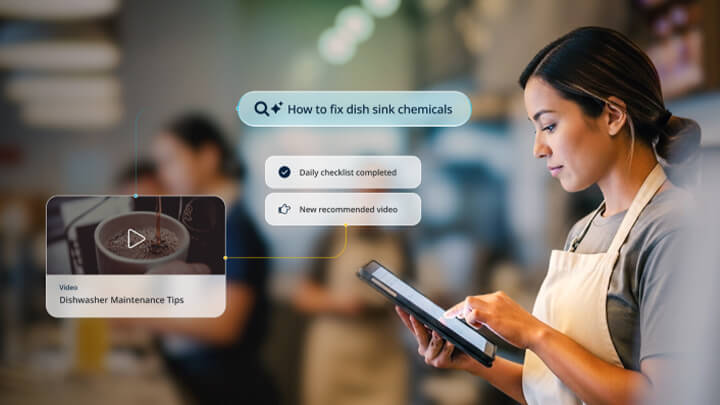
Wisetail LMS
A modern learning platform that helps organizations train, connect, and develop employees through personalized learning experiences.